For decades, the traditional Western art market treated "African Art" as a monolith—a niche category largely relegated to the ethnographic wings of museums or the specialized, antiquities-focused corners of auction houses.
Today, that narrative has been entirely rewritten.
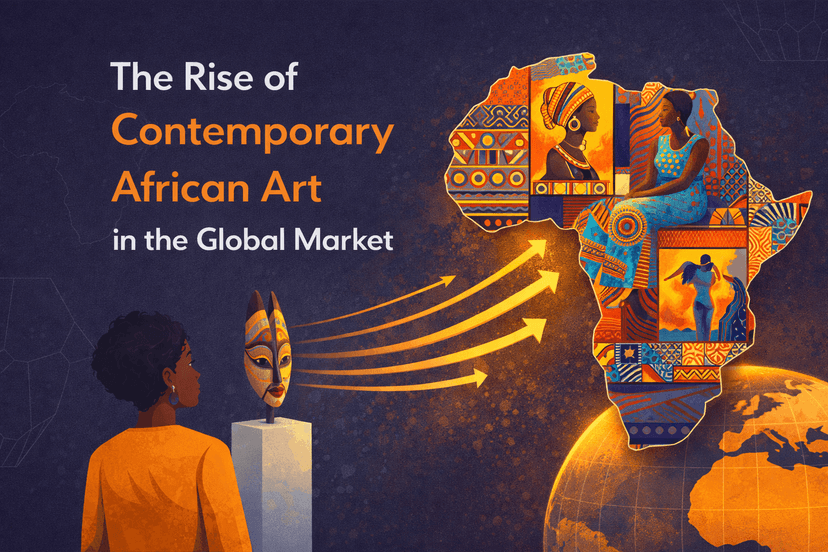
Contemporary artists from the African continent and its diaspora are no longer on the periphery; they are the main event. From record-breaking hammers at Sotheby's to center-stage representations at the Venice Biennale, contemporary African art is the most dynamic, rapidly expanding sector in the global blue-chip art market. But this explosion isn't just about aesthetics—it is a massive cultural and financial realignment.
The Institutional Correction
For centuries, the Western art canon had a glaring blind spot. The current boom is, in large part, an institutional correction. Major museums (like the Tate Modern and MoMA) and mega-galleries have realized that to tell the complete story of contemporary art, they cannot ignore the continent with the youngest, fastest-growing population in the world.
Curators are actively rewriting art history to include the voices that were previously excluded. This institutional validation is the bedrock of the financial market. When a museum acquires an artist's work, it signals to private collectors that the artist has historical importance, which instantly solidifies their market value.
As Touria El Glaoui, the founding director of the influential 1-54 Contemporary African Art Fair, aptly noted:
"We are finally moving away from the idea that African art is a trend. It’s an overdue market correction. These artists have always been producing incredible work; the only thing that has changed is that the global spotlight has finally been turned on."
The Catalysts for the Boom
The meteoric rise of artists like Amoako Boafo, Njideka Akunyili Crosby, and El Anatsui didn't happen in a vacuum. It was driven by three distinct forces:
The Infrastructure Shift: The proliferation of dedicated art fairs (like 1-54 in London, New York, and Marrakech), localized biennials (like the Dakar Biennale), and the opening of world-class institutions on the continent (like the Zeitz MOCAA in Cape Town) have built a robust ecosystem to champion these artists.
A New Generation of Collectors: The buyer demographic is shifting. A younger, more diverse generation of global collectors is entering the market. They are not interested in buying the same Post-War European masters their parents bought; they want art that speaks to contemporary identity, globalization, and the Black experience.
The Power of the Diaspora: Many of the artists driving this market live and work fluidly between cities like Accra, London, Lagos, and New York. Their work transcends regional boundaries, exploring the complexities of migration, diaspora, and globalized identity, which resonates universally.
The Danger of Speculation
However, with rapid growth comes the danger of commodification. The explosive demand for young, contemporary African painters—particularly those focusing on Black portraiture—has led to intense speculation in the secondary market (auctions).
We are seeing works by artists barely out of their twenties being "flipped" at auction for ten times their primary gallery price. This creates a volatile environment. While a massive auction record makes for a great headline, rapid speculation can actually damage an emerging artist's long-term career trajectory if the "hype" outpaces their institutional development.
The most sustainable growth in this sector is coming from collectors who are buying to hold and support the artist's practice, not to turn a quick profit.
Conclusion
The rise of contemporary African art is not a bubble; it is the dismantling of an outdated, Eurocentric boundary. The global art ecosystem has finally realized that the future of contemporary art is deeply intertwined with the African continent.
For collectors, the opportunity is no longer about "discovering" a hidden niche. It is about participating in one of the most significant and vibrant art historical shifts of the 21st century.